
Introduction

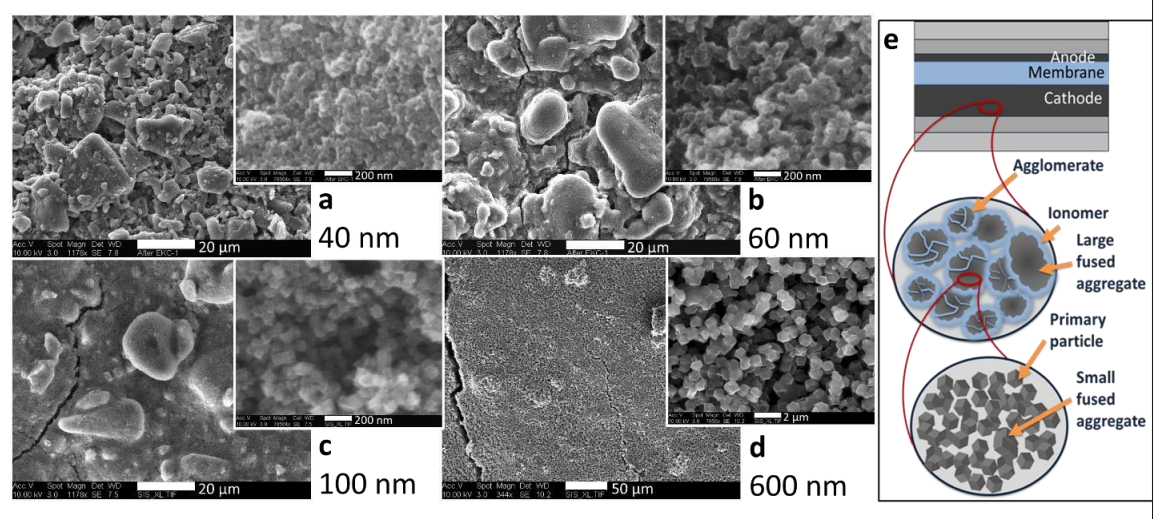
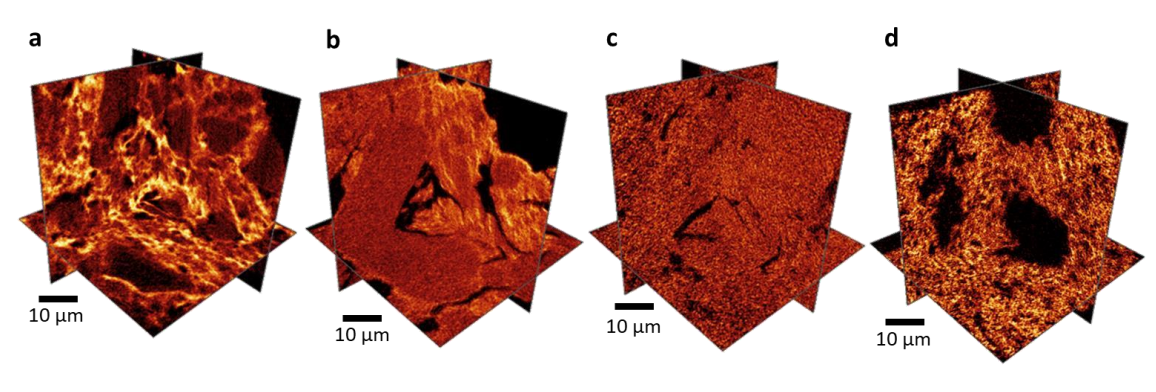
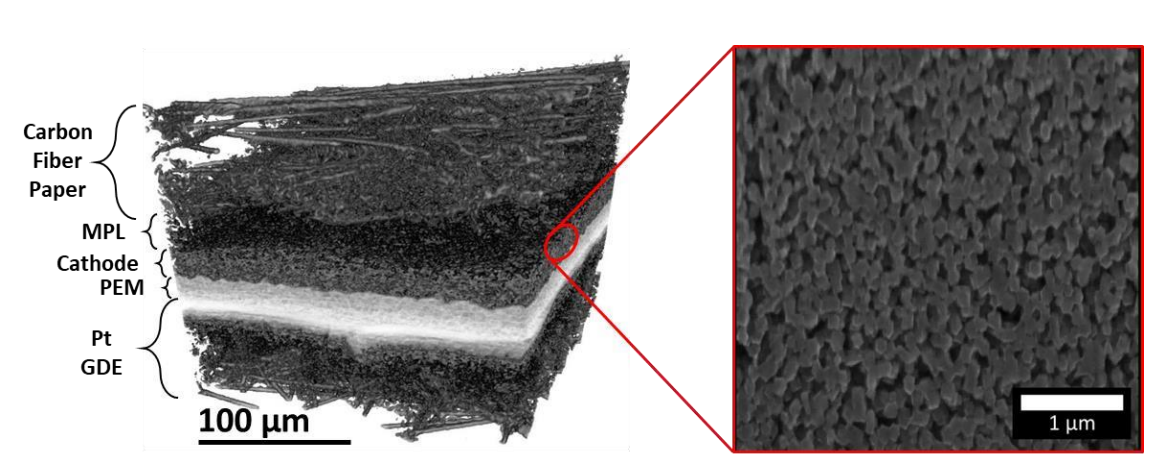
Research Interest
Hydrogen Fuel Cells
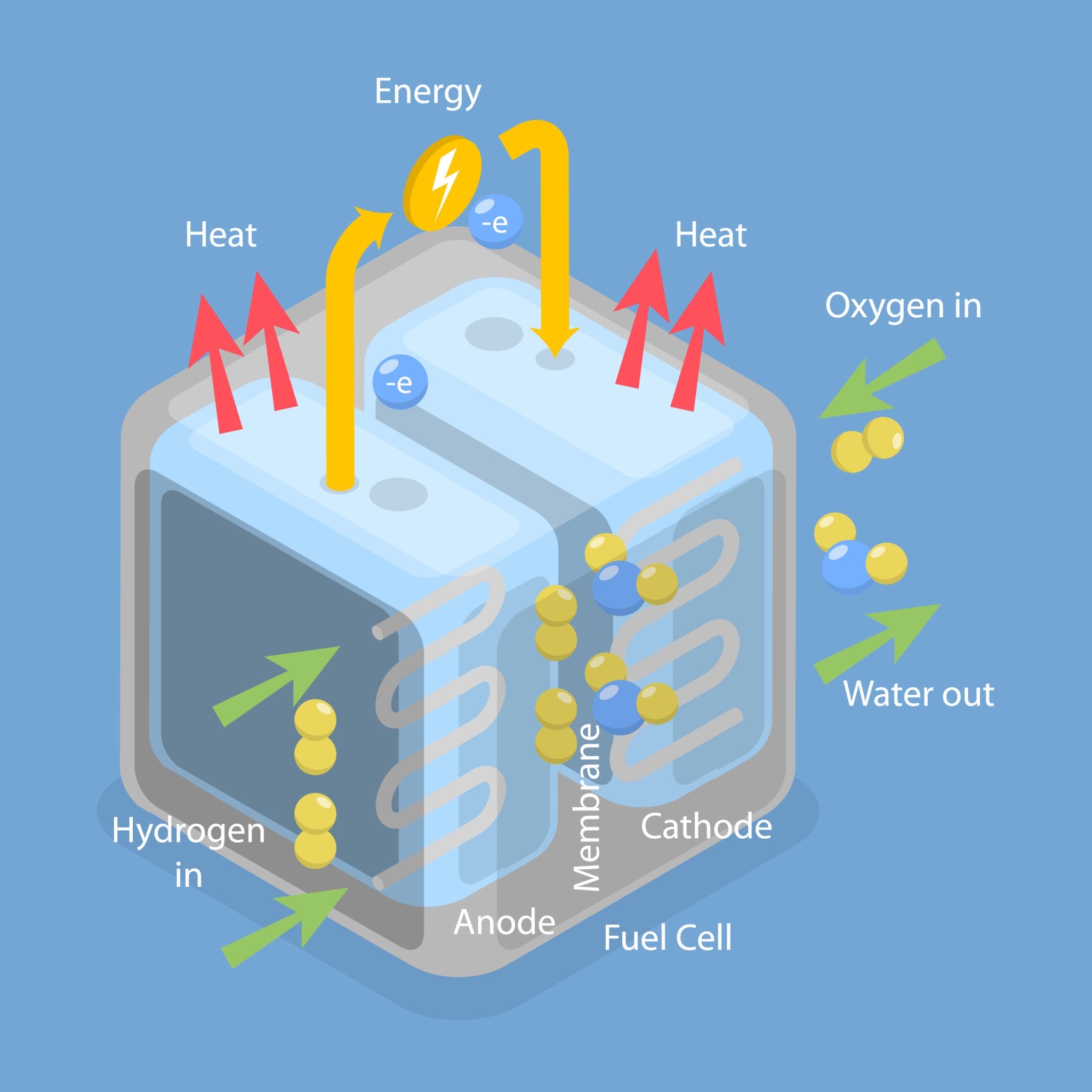
Hydrogen fuel cells generate electricity through an electrochemical reaction between hydrogen and oxygen. By combining these elements, they produce power with high efficiency, emitting only heat and water vapor as byproducts.
Read More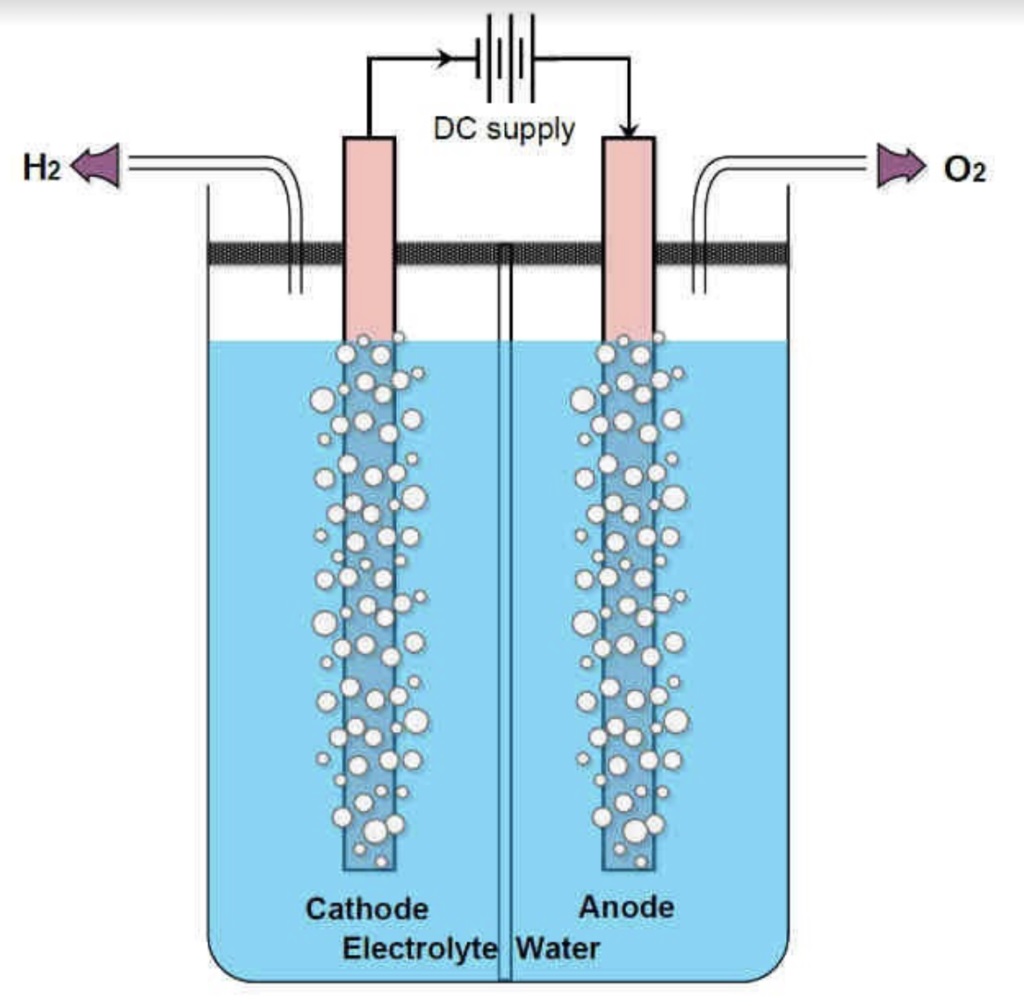
Electrolyzers
Electrolyzers are the functional inverse of fuel cells, using electricity to split water into green hydrogen. For energy storage, they bridge the gap between peak renewable production and long-term grid stability, converting excess power into a high-density, zero-emission fuel.
Read More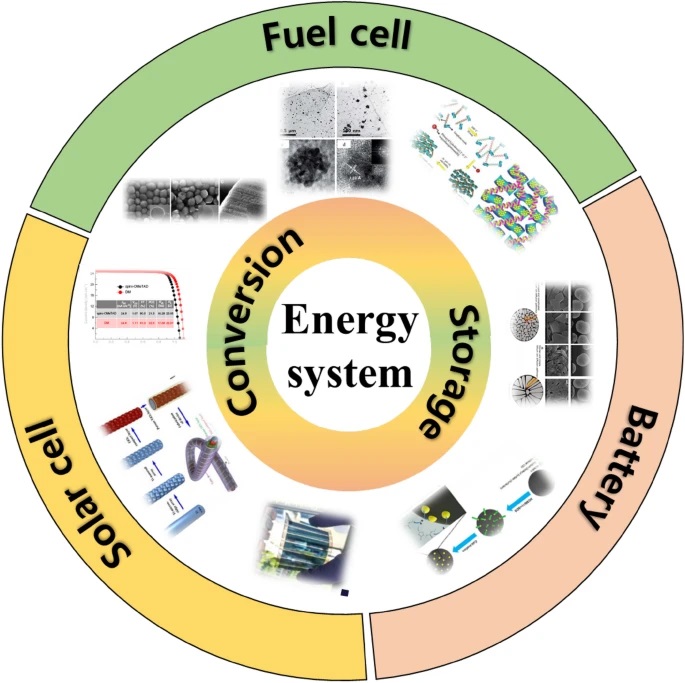
Energy Conversion and Storage
Optimizing energy conversion is key to hydrogen fuel cell performance. By efficiently transforming chemical energy into electricity, we bridge the gap between intermittent renewables and reliable power. Robust energy storage systems ensure this green hydrogen remains a scalable, high-density solution for sustainable grids.
Read More
Energy Efficiency
Energy efficiency is the strategic practice of minimizing waste while maintaining performance. For professionals in storage and power, it’s the vital bridge to grid stability—ensuring every kilowatt generated is utilized or stored with maximum precision and minimal thermal loss.
Read More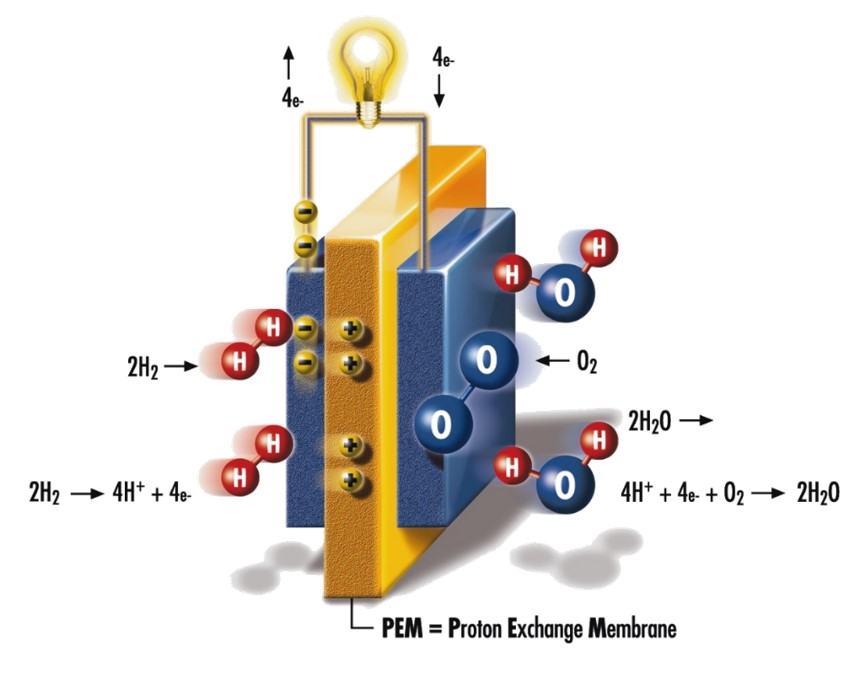
Transport Phenomena
Transport phenomena—the exchange of mass, momentum, and energy—dictate the performance of electrochemical systems. Mastering these gradients is essential for optimizing ion flow in batteries and managing heat and species distribution in fuel cells and electrolyzers to maximize overall efficiency.
Read MoreProjects

Empowering Women-led Agricultural Microenterprises in Rural Bangladesh
The core focus of our project is empowering rural women with climate-smart technology—who face systemic disadvantages and are disproportionately affected by climate change.
Visit project website
Optimization of Porous Transport Layer for Low-Cost Polymer Electrolyte Membrane Water Electrolyzer
Conducted experimental characterization of common PTLs with varying porosities through thermal conductivity, mechanical, and electrical conductivity measurements to identify materials with high conductivity and strong mechanical stability.
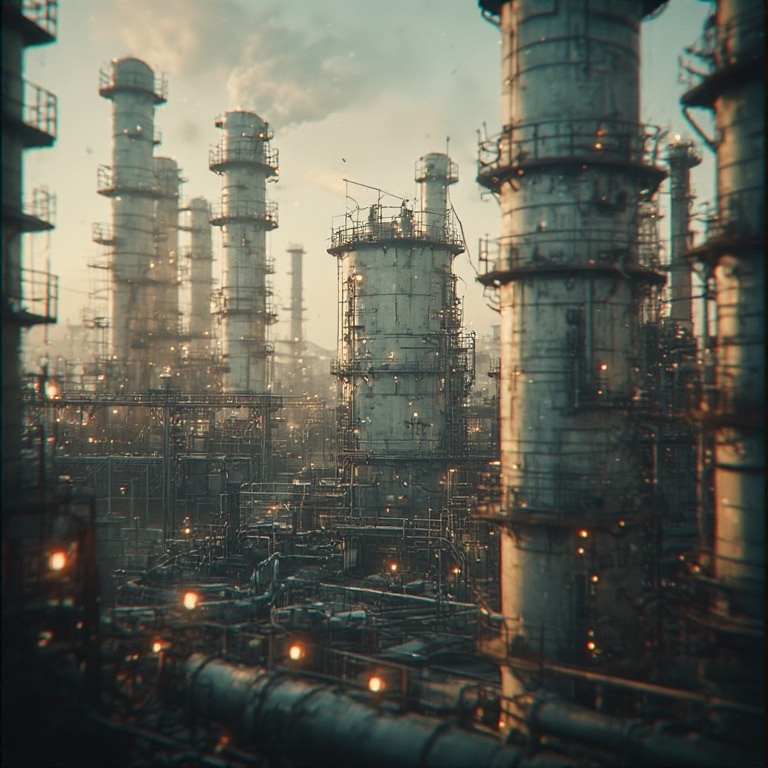
Captive Power Generation for Industries in Bangladesh – Overview and Recommendations on Efficiency Improvement
Evaluated the efficiency, environmental impact, and power quality of captive generator sets in Bangladesh’s industries, including a comparison with grid power.
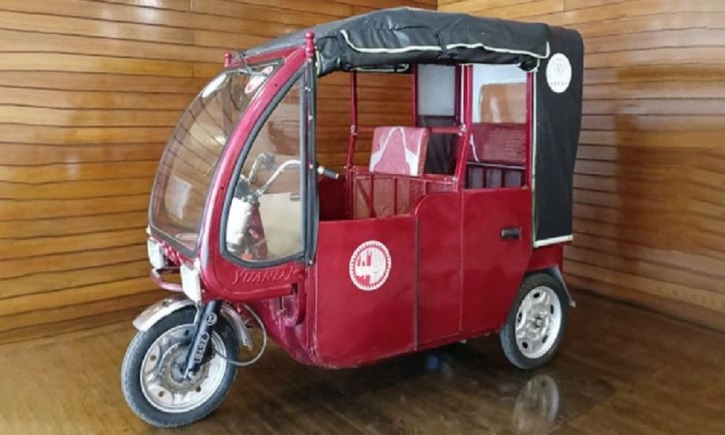
Development of a Design Standard for Easybikes in Bangladesh
Developed a guideline for standardization of currently used designs, considering the techno-economic feasibility of the Easybikes.