
Hydrogen Fuel Cells
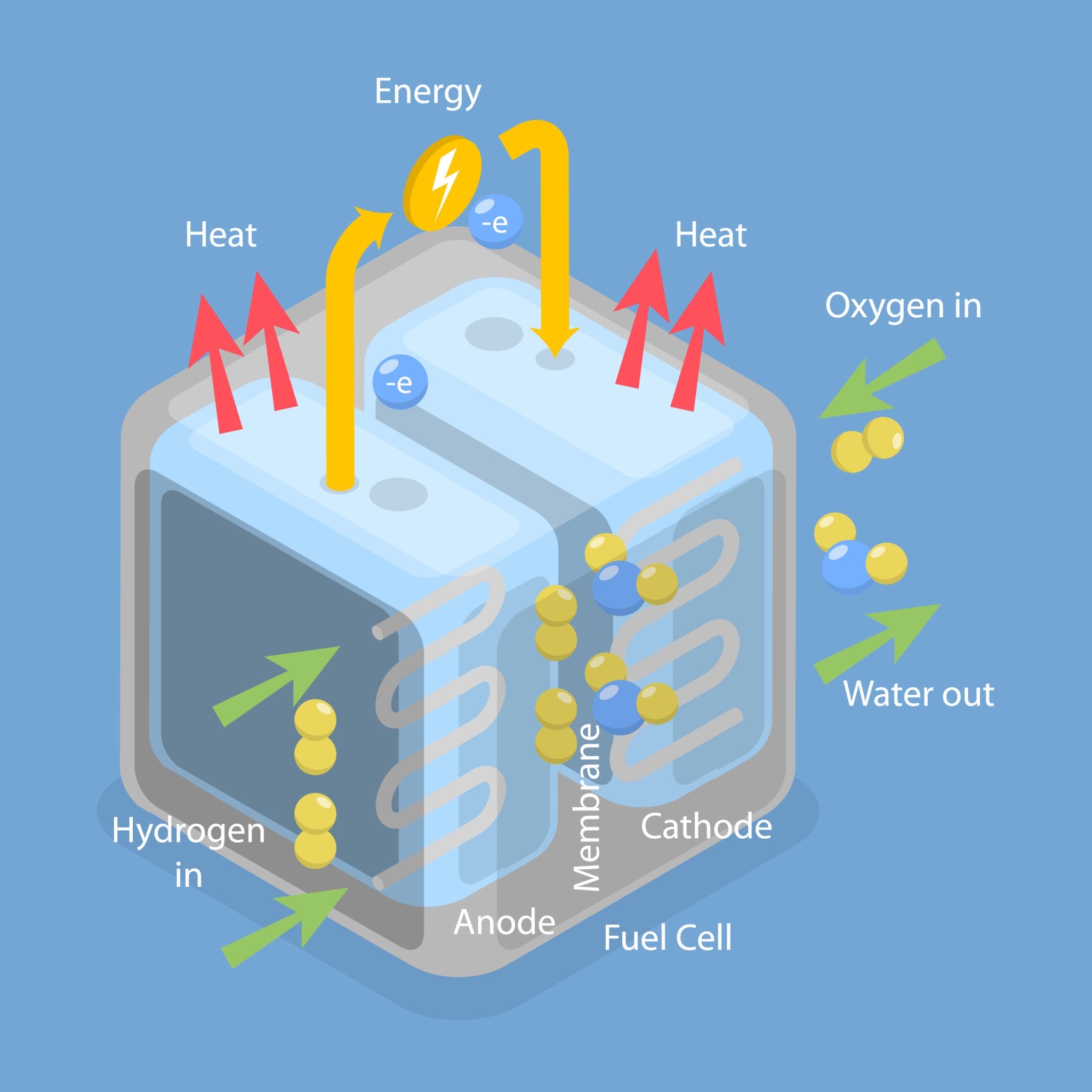
Hydrogen fuel cells generate electricity through an electrochemical reaction between hydrogen and oxygen. By combining these elements, they produce power with high efficiency, emitting only heat and water vapor as byproducts.
Publications:
- He, Yanghua, Sooyeon Hwang, David A. Cullen, M. Aman Uddin, Lisa Langhorst, Boyang Li, Stavros Karakalos et al. "Highly active atomically dispersed CoN 4 fuel cell cathode catalysts derived from surfactant-assisted MOFs: carbon-shell confinement strategy." Energy & Environmental Science 12, no. 1 (2019): 250-260.
- Uddin, Aman, Lisa Dunsmore, Hanguang Zhang, Leiming Hu, Gang Wu, and Shawn Litster. "High power density platinum group metal-free cathodes for polymer electrolyte fuel cells." ACS applied materials & interfaces 12, no. 2 (2019): 2216-2224.
- Qi, Jing, Xiaofeng Wang, M. Ozan Ozdemir, Md Aman Uddin, Leonard Bonville, Ugur Pasaogullari, and Trent Molter. "Effect of cationic contaminants on polymer electrolyte fuel cell performance." Journal of Power Sources 286 (2015): 18-24.
Electrolyzers
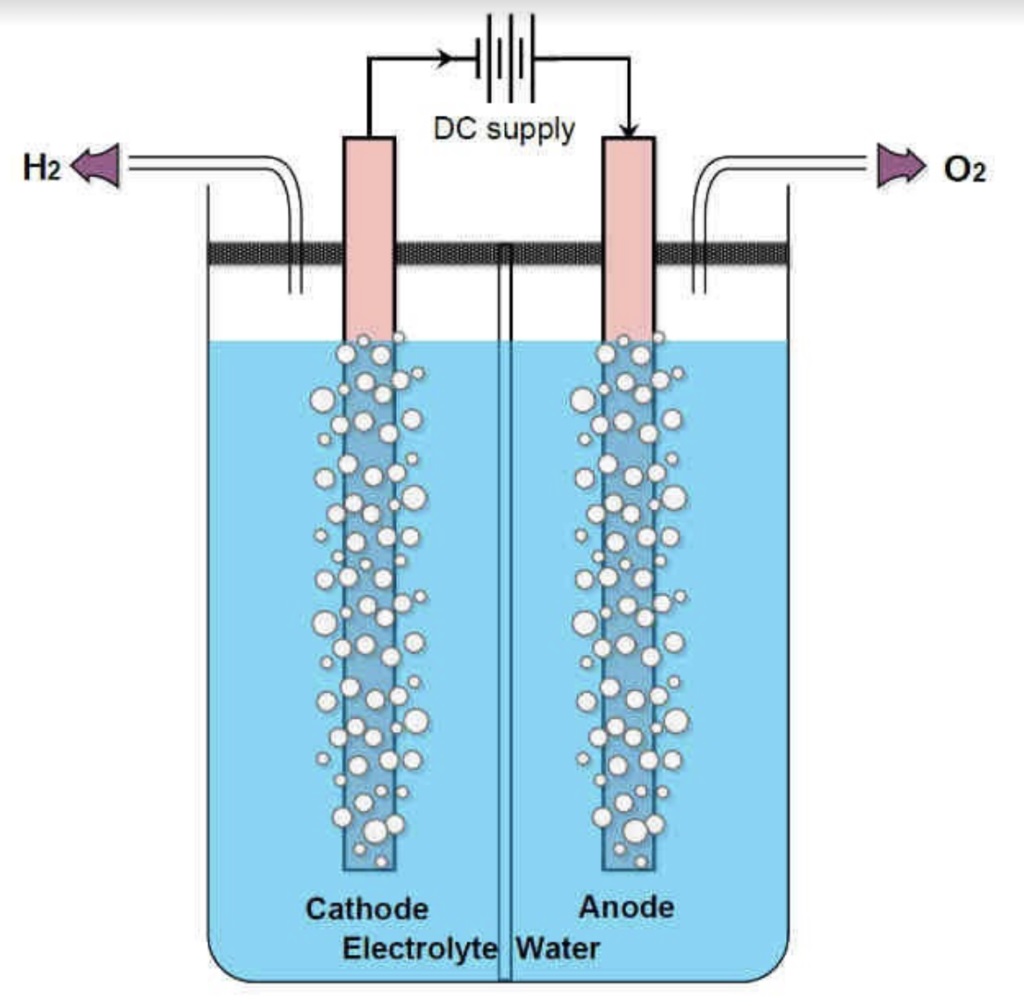
Electrolyzers are the functional inverse of fuel cells, using electricity to split water into green hydrogen. For energy storage, they bridge the gap between peak renewable production and long-term grid stability, converting excess power into a high-density, zero-emission fuel.
Publications:
- He, Yanghua, Sooyeon Hwang, David A. Cullen, M. Aman Uddin, Lisa Langhorst, Boyang Li, Stavros Karakalos et al. "Highly active atomically dispersed CoN 4 fuel cell cathode catalysts derived from surfactant-assisted MOFs: carbon-shell confinement strategy." Energy & Environmental Science 12, no. 1 (2019): 250-260.
- Uddin, Aman, Lisa Dunsmore, Hanguang Zhang, Leiming Hu, Gang Wu, and Shawn Litster. "High power density platinum group metal-free cathodes for polymer electrolyte fuel cells." ACS applied materials & interfaces 12, no. 2 (2019): 2216-2224.
- Qi, Jing, Xiaofeng Wang, M. Ozan Ozdemir, Md Aman Uddin, Leonard Bonville, Ugur Pasaogullari, and Trent Molter. "Effect of cationic contaminants on polymer electrolyte fuel cell performance." Journal of Power Sources 286 (2015): 18-24.
Energy Conversion and Storage
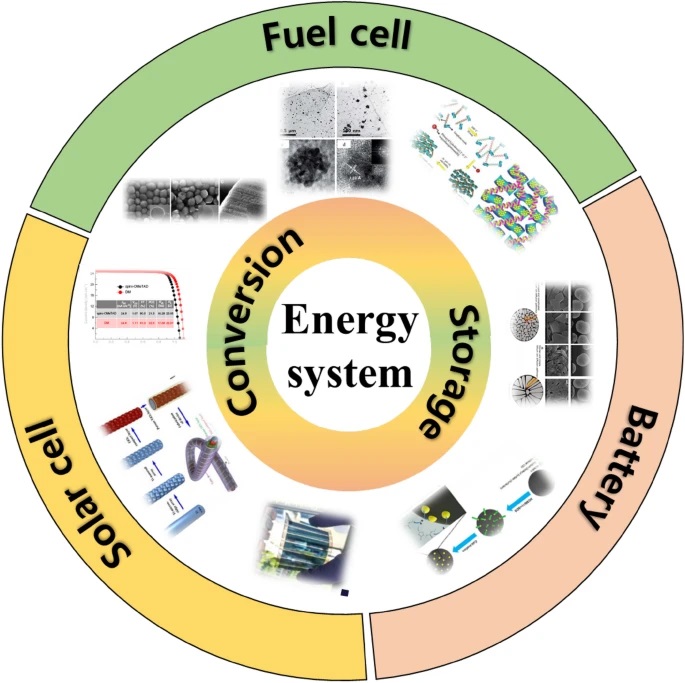
Optimizing energy conversion is key to hydrogen fuel cell performance. By efficiently transforming chemical energy into electricity, we bridge the gap between intermittent renewables and reliable power. Robust energy storage systems ensure this green hydrogen remains a scalable, high-density solution for sustainable grids.
Publications:
- He, Yanghua, Sooyeon Hwang, David A. Cullen, M. Aman Uddin, Lisa Langhorst, Boyang Li, Stavros Karakalos et al. "Highly active atomically dispersed CoN 4 fuel cell cathode catalysts derived from surfactant-assisted MOFs: carbon-shell confinement strategy." Energy & Environmental Science 12, no. 1 (2019): 250-260.
- Uddin, Aman, Lisa Dunsmore, Hanguang Zhang, Leiming Hu, Gang Wu, and Shawn Litster. "High power density platinum group metal-free cathodes for polymer electrolyte fuel cells." ACS applied materials & interfaces 12, no. 2 (2019): 2216-2224.
- Qi, Jing, Xiaofeng Wang, M. Ozan Ozdemir, Md Aman Uddin, Leonard Bonville, Ugur Pasaogullari, and Trent Molter. "Effect of cationic contaminants on polymer electrolyte fuel cell performance." Journal of Power Sources 286 (2015): 18-24.
Energy Efficiency

Energy efficiency is the strategic practice of minimizing waste while maintaining performance. For professionals in storage and power, it’s the vital bridge to grid stability—ensuring every kilowatt generated is utilized or stored with maximum precision and minimal thermal loss.
Publications:
- He, Yanghua, Sooyeon Hwang, David A. Cullen, M. Aman Uddin, Lisa Langhorst, Boyang Li, Stavros Karakalos et al. "Highly active atomically dispersed CoN 4 fuel cell cathode catalysts derived from surfactant-assisted MOFs: carbon-shell confinement strategy." Energy & Environmental Science 12, no. 1 (2019): 250-260.
- Uddin, Aman, Lisa Dunsmore, Hanguang Zhang, Leiming Hu, Gang Wu, and Shawn Litster. "High power density platinum group metal-free cathodes for polymer electrolyte fuel cells." ACS applied materials & interfaces 12, no. 2 (2019): 2216-2224.
- Qi, Jing, Xiaofeng Wang, M. Ozan Ozdemir, Md Aman Uddin, Leonard Bonville, Ugur Pasaogullari, and Trent Molter. "Effect of cationic contaminants on polymer electrolyte fuel cell performance." Journal of Power Sources 286 (2015): 18-24.
Transport Phenomena
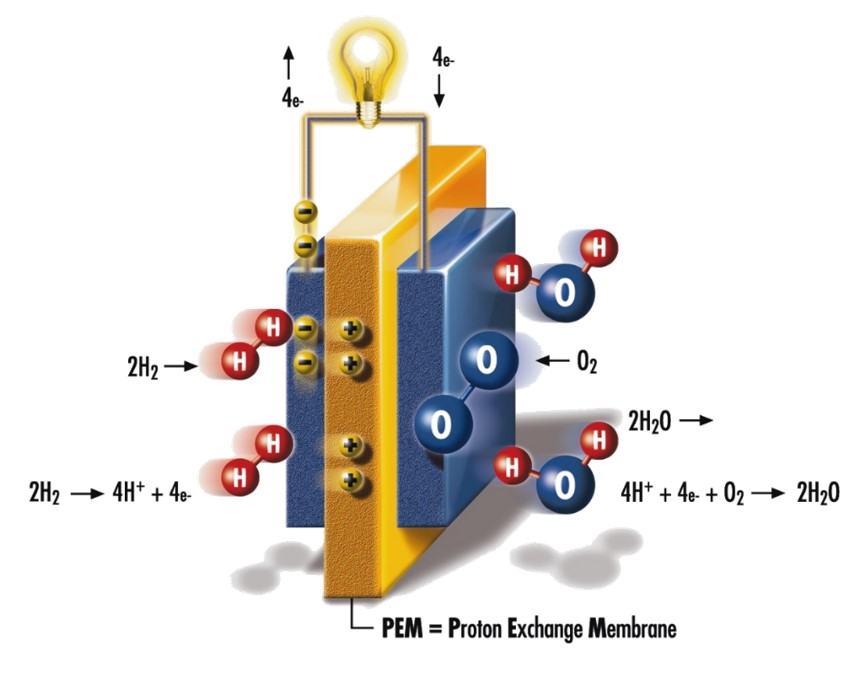
Transport phenomena—the exchange of mass, momentum, and energy—dictate the performance of electrochemical systems. Mastering these gradients is essential for optimizing ion flow in batteries and managing heat and species distribution in fuel cells and electrolyzers to maximize overall efficiency.
Publications:
- He, Yanghua, Sooyeon Hwang, David A. Cullen, M. Aman Uddin, Lisa Langhorst, Boyang Li, Stavros Karakalos et al. "Highly active atomically dispersed CoN 4 fuel cell cathode catalysts derived from surfactant-assisted MOFs: carbon-shell confinement strategy." Energy & Environmental Science 12, no. 1 (2019): 250-260.
- Uddin, Aman, Lisa Dunsmore, Hanguang Zhang, Leiming Hu, Gang Wu, and Shawn Litster. "High power density platinum group metal-free cathodes for polymer electrolyte fuel cells." ACS applied materials & interfaces 12, no. 2 (2019): 2216-2224.
- Qi, Jing, Xiaofeng Wang, M. Ozan Ozdemir, Md Aman Uddin, Leonard Bonville, Ugur Pasaogullari, and Trent Molter. "Effect of cationic contaminants on polymer electrolyte fuel cell performance." Journal of Power Sources 286 (2015): 18-24.